


Ha Long Bay and Its Biodiversity Values
While the scenic and geological–geomorphological values of Ha Long Bay have long been internationally recognised, its biodiversity values are regarded as an exceptionally rich and unique “treasure”.
Ha Long Bay has long been known as one of Viet Nam’s most outstanding scenic landscapes, a World Natural Heritage Site and a New Natural Wonder of the World. Beyond its spectacular limestone mountains and majestic karst towers rising from emerald waters, nature has endowed the Bay with a high level of biodiversity. The area supports typical tropical marine ecosystems, notably coral reefs, seagrass beds, mangrove forests, tropical rainforests, as well as diverse terrestrial, marine and aquatic species.
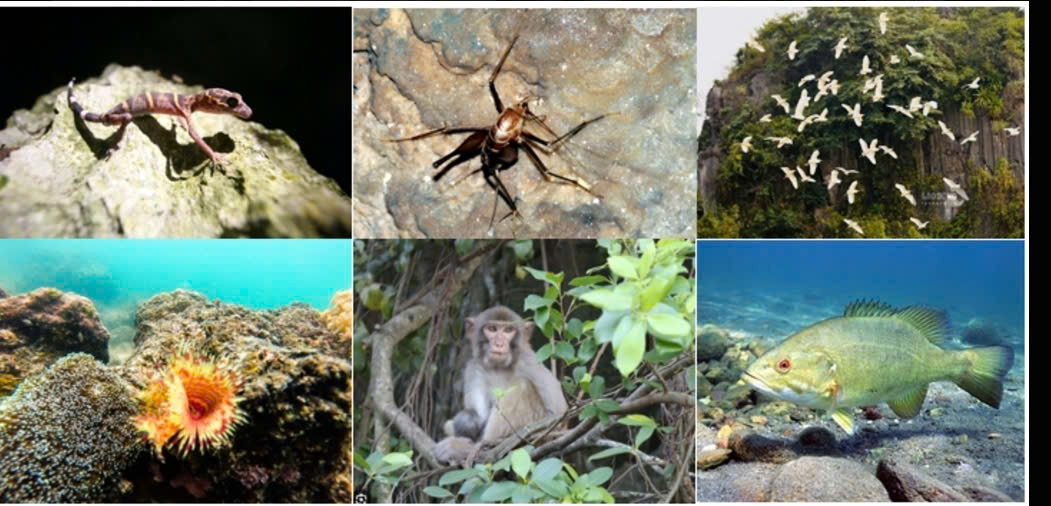
Ha Long Bay and its adjacent areas are considered among the regions with the highest levels of biodiversity in Viet Nam, serving as an important reservoir of rare and valuable genetic resources, species diversity and ecosystem diversity. This richness is the result of favourable natural and geographical conditions. Covering an area of 1,553 km² with 1,969 limestone islands of various sizes, under a humid tropical monsoon climate and nutrient-rich waters, Ha Long Bay contains ten characteristic ecosystems of tropical limestone archipelagos, including island vegetation ecosystems, enclosed marine lake (tùng áng) ecosystems, cave ecosystems, mangrove forests, coral reefs, and others.
To date, nearly 3,000 species of flora and fauna have been recorded in the area, including 507 terrestrial plant species, 278 phytoplankton species, 141 zooplankton species, 110 coral species, 156 marine fish species, 71 bird species and 53 mammal species. Many of these species represent rare and valuable genetic resources with significant importance for scientific research, economic development and medicine. The diversity of biological values has made this sea–island region distinctive in terms of fisheries, tourism and scientific research.
In order to protect the biodiversity of Ha Long Bay, it is essential to implement conservation and management activities for marine ecosystems, ensuring the sustainable use and development of aquatic resources, alongside biodiversity research. These efforts should be accompanied by activities in conservation, environmental protection, education, recreation and ecotourism development.
Ha Long Bay is a coastal marine area with great potential for marine resources and tourism. It has been recognised by the State as a National Scenic Site and by UNESCO as a World Natural Heritage Site for its Outstanding Universal Value in aesthetics and geology–geomorphology, its profound historical and cultural significance, and its high level of biological diversity.
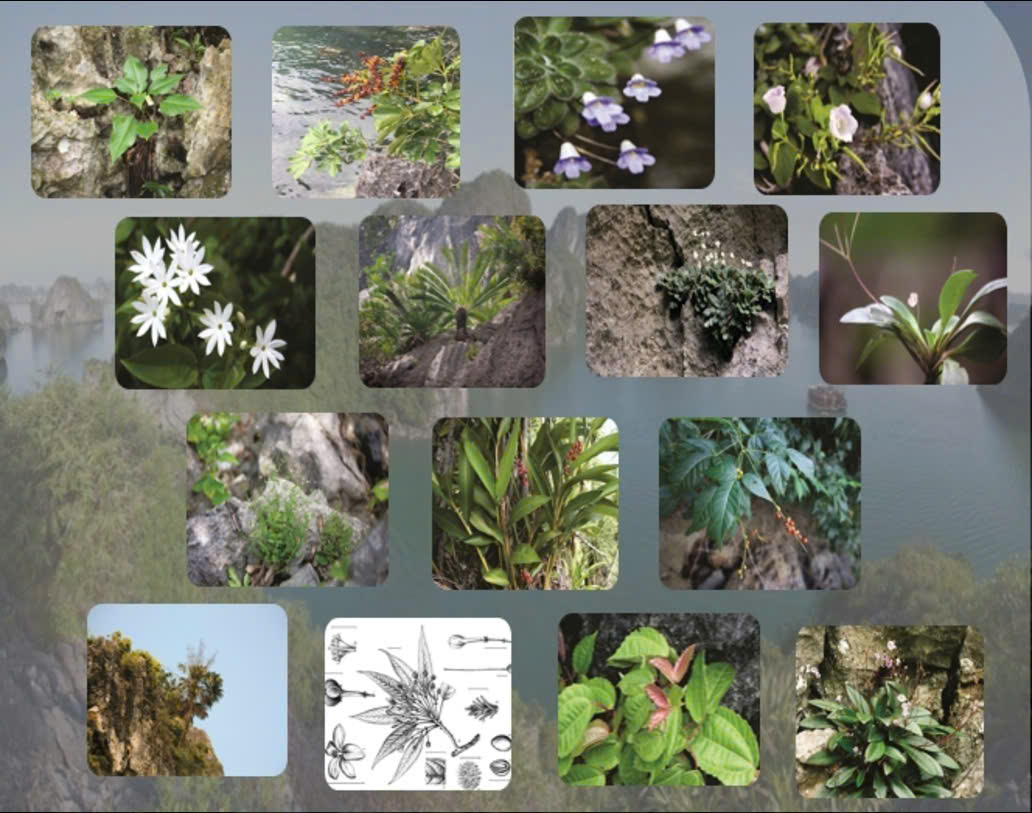
The biodiversity values of Ha Long Bay are not only a scientific asset, but also a vital source of livelihood for local communities and a foundation for sustainable ecotourism. Each visit to the Bay is not merely an experience of a natural wonder, but also a journey of discovery into the remarkable diversity of life between sea and sky.
Protecting the ecosystems of Ha Long Bay means safeguarding the “green lungs” of a World Natural Heritage Site, ensuring that its living values are preserved and sustained for generations to come.
Huy Hoang