


Opening Tourism Activities in the Special-use Forests of Ha Long Bay, Bai Tu Long and Yen Tu
The Management Board of the Ha Long Bay – Yen Tu World Heritage Site is currently developing a range of world-class tourism products to be submitted to the competent authorities for approval.
Among these initiatives is the Project on Ecotourism, Resort and Recreation Development within the Special-use Forest Areas for Landscape Protection of Ha Long Bay and Bai Tu Long, and the Yen Tu National Forest.
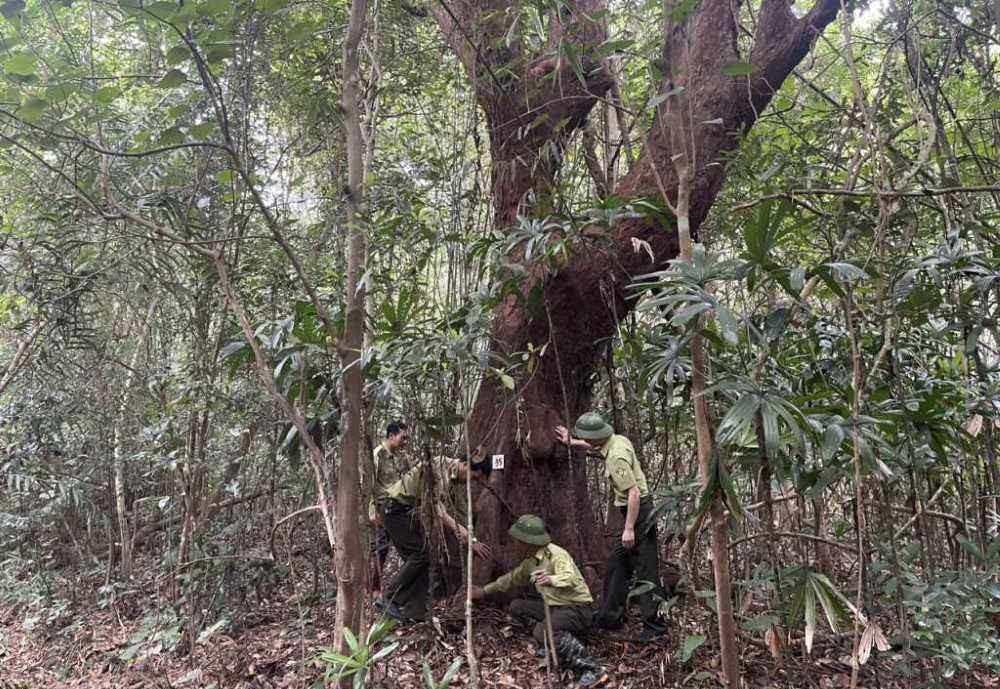
The landscape-protection special-use forests of Ha Long Bay, Bai Tu Long Bay and Yen Tu National Forest constitute areas of high conservation significance, playing a critical role in safeguarding natural, environmental and cultural values. These forests form distinctive ecological systems that sustain biodiversity, protect interconnected forest–marine–limestone ecosystems, regulate local climate and ensure the conservation of water resources. They contribute significantly to the preservation of exceptional natural landscapes, reducing erosion and landslide risks, and supporting the integrity of the Ha Long Bay World Natural Heritage property as well as the ecological buffer zone of Bai Tu Long.
Yen Tu National Forest holds particular importance due to its strong association with the historical, cultural and spiritual traditions of Truc Lam Zen Buddhism, forming an outstanding cultural landscape of enduring heritage value.
Collectively, these landscape-protection special-use forests provide a sustainable framework for the development of ecotourism, nature-based recreation and experiential tourism, while supporting community livelihoods and contributing to balanced and sustainable socio-economic development.
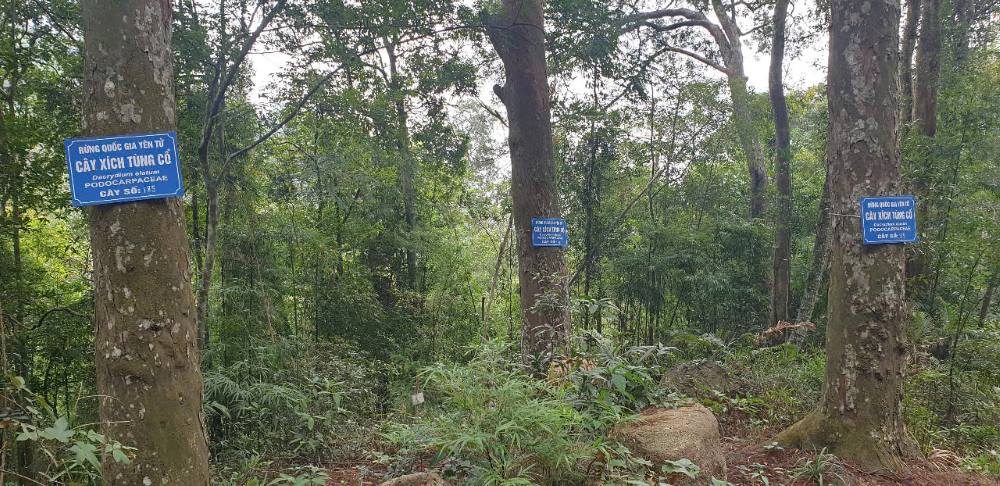
According to representatives of the Ha Long Bay – Yen Tu World Heritage Site Management Department, the Department is currently developing a proposal for ecotourism, resort and recreational activities within the Special-use Forests for landscape protection of Ha Long Bay, Bai Tu Long Bay and Yen Tu National Forest, to be submitted to the competent authorities for consideration and approval.
At the same time, the Department is preparing and submitting for approval the Sustainable Forest Management Plans for Ha Long Bay, Bai Tu Long National Park and Yen Tu National Forest for the period 2026–2030. In parallel, it is developing a Project to enhance the value of Ha Long Bay – World Natural Heritage and Natural Wonder, as well as a Project for the conservation and promotion of the values of the Yen Tu Historic Site, which forms part of the Yen Tu – Vinh Nghiem – Con Son, Kiep Bac World Cultural Heritage Complex.
In 2026, the Department is expected to continue finalizing the Sustainable Tourism Development Plan for the Ha Long Bay World Heritage Site to 2035, with a vision to 2050. The Department will also coordinate with relevant agencies to accelerate the completion of navigation routes and technical infrastructure, enabling the operation of three ecotourism itineraries within Bai Tu Long National Park, and to advise on the interconnection of tourism routes between Ha Long Bay and Lan Ha Bay (Hai Phong).
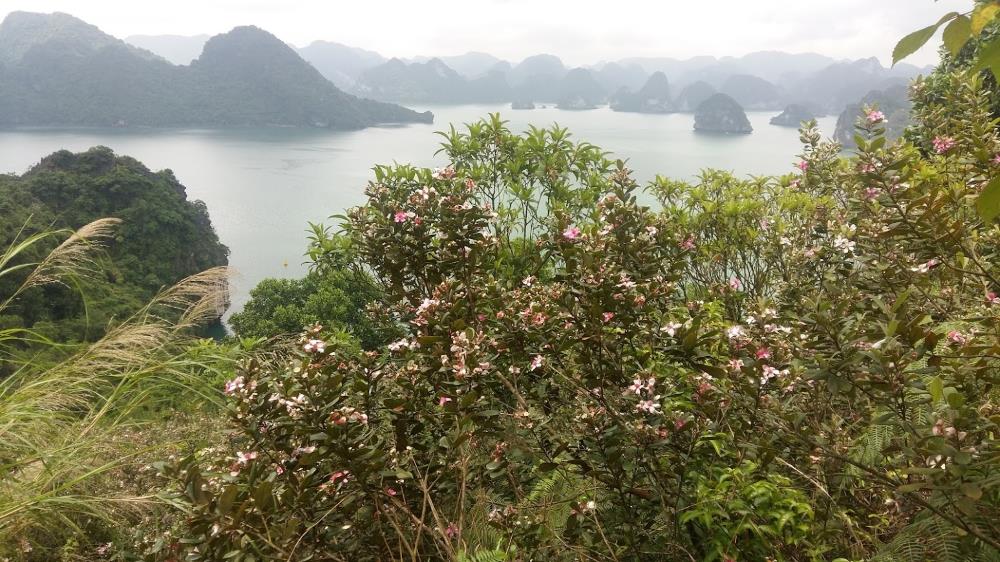
Strengthening regional tourism connectivity between Ha Long Bay – Bai Tu Long Bay – Van Don; and linking Ha Long Bay tourism with the heritage complexes of Yen Tu – Vinh Nghiem – Con Son, Kiep Bac, as well as other tourism sites across the province.
Enhancing cooperation, renewing and upgrading existing tourism products, while developing new, integrated product chains. Priority is given to marine and island tourism, ecotourism, high-end resort tourism, and cultural, spiritual and heritage tourism—particularly on offshore routes such as Ha Long Bay Routes 3 and 4. Tourism development space in Ha Long Bay and Bai Tu Long Bay will be planned and utilized efficiently, in a rational and scientific manner, in line with carrying capacity and sustainability principles.
HuyHoang